


Key Takeaways
Normal wear and tear is the expected deterioration that happens from everyday use, not neglect or misuse.
Landlords should document move-in, routine, and move-out conditions so they can compare changes over time.
Tenant-caused damage is different from ordinary wear and may support a security deposit deduction when properly documented.
Regular maintenance and clear tenant communication help small issues stay manageable.
Every landlord’s top priority is to keep their property in good condition. After all, a well-maintained rental property is a successful rental. The problem? Properties tend to start showing signs of deterioration over time, simply from normal use. This is called “normal wear and tear” and includes scratches on walls and floors, small stains on walls and fixtures, and worn appliances. KRS Property Management Charlottesville helps local owners track those changes clearly.
Understanding what normal wear and tear looks like is essential for landlords. It can help you maintain your property in good condition and, more importantly, identify tenant-caused damages that may be deducted from the deposit when the lease and Virginia law allow it. If you want to learn more, keep reading. In this guide, the experts at KRS Charlottesville will outline what landlords should know about normal wear and tear.
What Is Normal Wear and Tear?
The term “normal wear and tear” is used to refer to the deterioration a property naturally undergoes over time. It’s typically caused by day-to-day use and environmental factors, such as fluctuating temperature, humidity levels, and sunlight. It cannot be prevented entirely, even with good care and regular maintenance. After all, it’s a normal consequence of a property being lived in.
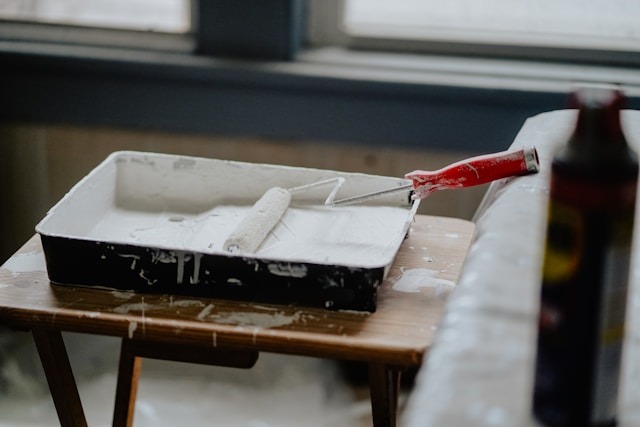
Virginia’s security deposit rules also distinguish reasonable wear and tear from certain tenant-caused damages.
Still unsure about what really counts as normal wear and tear? Here are some examples:
Chipped or fading paint.
Worn-out or dirty-looking carpets.
Small scuff marks on walls, floors, and furniture.
Normal nail holes in walls.
Loose or worn cabinet and door handles.
Dirty bathroom or kitchen tiles.
Worn or scratched enamel in bathtubs, sinks, and toilets.
Partially clogged sinks.
Dirty windows and shades.
Small stains on walls, floors, and fixtures.
As you can see, normal wear and tear refers to small, mostly cosmetic issues that arise by accident or everyday use. For example, a carpet in a high-traffic corridor may start to show marks of use over time. It’s important to learn how to distinguish wear and tear from actual property damage because only damage beyond normal wear may support deposit deductions. We explain this topic in our overview of Virginia security deposit law.
Here are some clear examples of tenant-caused damage:
Big or gaping holes in walls or plaster.
Drawings, unauthorized paint, or wallpaper on walls.
Chipped or gouged wood floors.
Broken doors or windows.
Broken or missing fixtures.
Missing or broken blinds.
Broken appliances.
Big holes or stains in carpets.
Missing or cracked bathroom or kitchen tiles.
Broken or cracked mirrors.
Cabinet doors off their hinges.
Cigarette burns on carpets, floors, or furniture.
Plugged toilets or major plumbing issues caused by misuse.
These issues are not only more visible but can also affect the property’s functionality.
How to Identify and Address Normal Wear and Tear in Rental Properties
Wear and tear, such as a small scratch on a wall or foot marks on a carpet, can seem like an insignificant problem. Some landlords don’t feel the need to address these problems. However, when wear and tear accumulates over time, it can make your property look neglected. That’s why it’s important to learn how to identify signs of wear and tear and know when to address these issues.
1. Routine Inspections
New landlords may assume that they only have to inspect their properties before and after each tenancy. While move-in and move-out inspections are incredibly helpful, only inspecting your property twice per tenancy is not always enough. Virginia law also addresses the move-in inspection of a dwelling unit and report, so owners should keep documentation organized from the start.

Regular inspections help you keep track of your property’s condition over time. When you take your time, you can identify even the smallest issues, such as a scratch on the hardwood floors, a small stain on the carpet, or scuff marks on walls. But noticing these issues is not enough. You also need to document them with detailed notes or pictures and summarize everything in an inspection report. Related listing-readiness steps are covered in our guide to getting a property rent ready.
Good documentation makes it easier to compare inspections and see if a problem has escalated or if it remains the same.
2. Regular Maintenance
While you cannot fully prevent wear and tear, you can try to minimize or delay its effects. The best way to do this is through regular property maintenance. For instance, you can prevent carpets from looking worn-out or dirty at the end of the lease by scheduling regular cleanings. Being proactive about property maintenance can go a long way in keeping your rental in good shape.
3. Communicate with Tenants
Wear and tear can also be prevented or delayed by making sure tenants understand how to care for the property. If, for example, you notice that there are too many nail holes in a wall or that a specific part of a wall is dirtier than usual, you can bring those small issues up with tenants.

Clear reporting systems also help, they make it much easier to have strong and direct communication with tenants and encourage tenants to report repairs.
In many cases, tenants will be willing to help you identify what’s causing the issue and work with you to repair it and prevent it from coming up again in the future.
4. Partner With a Property Manager
Identifying and addressing signs of wear and tear is crucial for maintaining your rental property. Unfortunately, this requires close attention to detail and enough availability to inspect the unit and coordinate repairs. If that’s not your forte, you should consider partnering with a reliable property manager.
Bottom Line
Maintaining your rental property in good shape is crucial for its success. An important thing to keep in mind is normal wear and tear. These are normal deterioration signs that tend to show up on properties over time. While they’re typically small, knowing how to identify them is crucial. Moreover, it’s important to address them earlier rather than later to avoid them affecting the condition of your rental.
If you need help dealing with normal wear and tear in your Virginia rental, contact KRS Property Management Charlottesville.