



_6.jpg)
Key Takeaways
Controlled access, reliable lighting, and secure entry points can reduce avoidable risks around a rental property.
Preventive maintenance, regular inspections, and clear reporting procedures help owners catch small problems before they become expensive losses.
Accurate records, updated insurance coverage, and consistent oversight can protect both the property’s value and the owner’s ability to recover after an incident.
A rental property can lose value without experiencing a dramatic break-in or fire. At KRS Charlottesville, we know that a leaking supply line, unreturned key, blocked walkway, outdated alarm, or poorly maintained appliance may create a smaller problem that grows quietly.
Protecting the investment requires more than locks and cameras. Owners need a system that limits physical hazards, controls access, supports residents, and creates reliable records before an emergency occurs.
Begin With a Property Risk Walk
Security decisions should reflect the building rather than a generic checklist.
Walk through the property during the day and after dark. Examine how residents, visitors, vendors, and delivery drivers enter the premises. Look for loose railings, hidden corners, poor lighting, damaged fencing, exposed utility equipment, and windows that no longer lock properly.
Consider the property type as well. A detached home may need greater attention around side gates, garages, and backyard access.
In a multi-unit building, shared entrances, mail areas, stairwells, laundry rooms, and parking facilities may create more exposure. Rank concerns by urgency and potential loss. A failing exterior door deserves attention before a decorative camera upgrade.
Build Security Around Access Control
Keys, codes, remotes, and digital credentials should be treated as property assets.
At every turnover, rekey locks or reset access codes. Recover parking passes, garage remotes, mailbox keys, and building credentials. For rentals with smart home technology, remove former users from connected locks, alarms, cameras, and other device accounts.
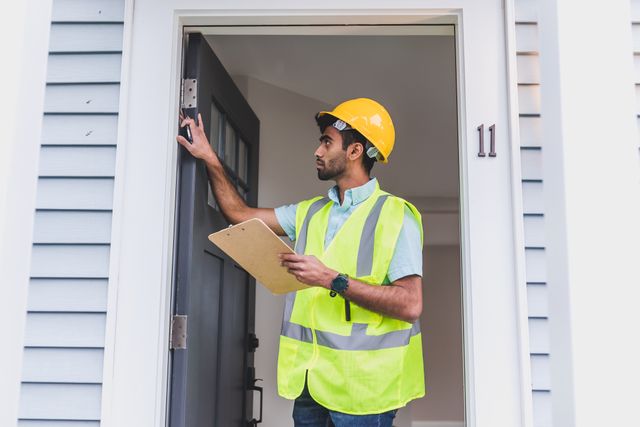
Inspect the door itself instead of focusing only on the lock. A strong deadbolt offers limited protection when the frame is damaged or the strike plate is loose. Windows, sliding doors, basement entrances, and storage rooms also require dependable locking hardware.
Keep a record showing which access devices were issued and returned. This becomes especially useful when roommates move at different times or contractors need temporary entry.
Protect Against Noncriminal Losses
Some of the most expensive property damage begins with ordinary equipment, which is why consistent rental property maintenance matters.
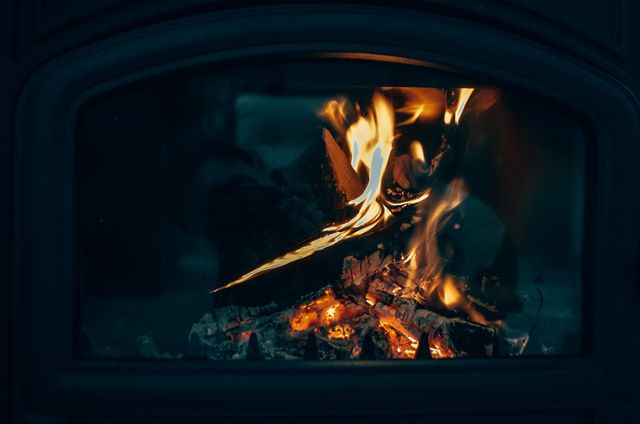
Test smoke and carbon monoxide alarms, inspect fire extinguishers where provided, and replace expired safety devices. Dryer vents, heating systems, outlets, wiring, and fireplaces should receive appropriate professional attention.
Water deserves equal priority. Check appliance hoses, supply lines, water heaters, plumbing connections, roof penetrations, and shutoff valves. Leak sensors can provide early warning in vulnerable locations such as beneath sinks or beside washing machines.
For example, a small drip behind a refrigerator may remain hidden until flooring begins to swell. A low-cost sensor or scheduled inspection could reveal the issue before cabinets, walls, and neighboring units are affected.
Improve Visibility Without Creating a Surveillance Problem
A well-lit, orderly property is easier to observe and less inviting to opportunistic activity.
Trim shrubs that block windows or conceal entrances. Keep walkways clear, repair broken gates, and illuminate parking areas, stairs, side passages, and doors. Position fixtures carefully so they improve visibility without shining directly into bedrooms or neighboring homes.
Cameras may be useful at appropriate entrances or common areas, but they should solve a defined problem. When selecting home security cameras, consider data privacy and security features alongside placement and video quality.
Owners must respect privacy, follow applicable recording and disclosure rules, and avoid monitoring spaces where residents reasonably expect privacy.
Technology also requires maintenance. An inactive camera, dead smart-lock battery, or disconnected alarm provides little protection despite appearing in the property’s marketing.
Give Residents a Clear Reporting Route
Tenants often notice problems before the owner does. The quality of the reporting system determines whether that information arrives promptly.
At move-in, explain how to report repairs, including broken locks, damaged lights, leaking pipes, alarm failures, suspicious activity, and immediate hazards.

Separate routine maintenance requests from emergencies and identify situations that require direct contact with emergency services.
Make requests easy to document. Photos or short videos can help determine whether the property needs a locksmith, electrician, plumber, or another specialist.
Response matters as much as reporting. If a resident repeatedly reports a faulty gate without receiving an update, the unresolved problem can reduce both security and trust.
Manage Shared Areas as Separate Risk Zones
Common spaces experience more traffic and often involve equipment used by multiple households.
Inspect stairwells, elevators, mail areas, laundry rooms, parking facilities, pools, storage rooms, and waste enclosures regularly. Verify that lighting, gates, doors, handrails, and emergency equipment remain functional.
Clear policies can prevent avoidable problems. Residents should understand guest access, parking, package handling, storage limits, and whether doors may be propped open.
If tenants repeatedly bypass a secured entrance because the access system is unreliable, another posted reminder will not solve the issue. Repairing the inconvenient system may be the more effective security measure.
Use Turnovers as a Full Safety Reset
Vacancy provides access to areas that may be difficult to inspect during an occupied tenancy.
Include electrical safety in the turnover review while testing every lock, window latch, alarm, exterior light, outlet, appliance, and plumbing fixture. Check beneath sinks, behind appliances, inside storage spaces, and around doors. Deactivate compromised access credentials, rekey locks when appropriate, and update emergency information.
Complete safety and maintenance work before cosmetic improvements. New paint may improve presentation, but it will not compensate for a loose handrail or recurring leak.
Document the condition with dated photographs before the next resident receives possession. A thorough move-in record protects the owner while giving the tenant a clear starting point.
Maintain Records That Support Recovery
Good documentation helps owners respond after theft, fire, storm damage, vandalism, or equipment failure.
Keep photographs, inspection reports, receipts, warranties, serial numbers, repair invoices, and permit records in an accessible location. Maintain backup copies away from the property.
Review insurance whenever the rental changes. Renovations, furnished rooms, new amenities, or a different rental arrangement may affect coverage. Owners should understand policy limits, deductibles, exclusions, and claim procedures rather than discovering them after a loss.
Incident notes should remain factual. Record what happened, when it was reported, the action taken, and which vendors or authorities were contacted.
Bottom Line
Rental safety depends on controlled access, preventive maintenance, inspections, communication, and accurate records.
Consistent oversight reduces disruption, supports resident confidence, and protects long-term property performance.
Partner with an experienced property management team to identify risks, coordinate vendors, manage access, and respond to residents. Contact us today.
Frequently Asked Questions
How often should rental property safety measures be reassessed?
Owners should review safety conditions during turnovers, routine inspections, seasonal maintenance, and after any renovation or reported incident. Access codes, lighting, alarms, railings, plumbing connections, and other systems can deteriorate or become outdated even when no obvious emergency has occurred.
Which safety improvements should an owner prioritize first?
Begin with conditions that could cause injury, unauthorized access, or significant property damage. Faulty locks, loose handrails, electrical concerns, water leaks, failed alarms, and poorly lit entrances generally deserve attention before cosmetic upgrades or optional technology.
What should happen when a resident installs a camera, smart lock, or alarm?
The lease or a written approval should clarify where the device may be installed, who controls the account, whether the installation may alter the property, and what must happen at move out. Owners should also establish how access will be transferred or removed so former residents do not retain control of connected equipment.
Can good records make an insurance claim easier to manage?
Detailed records can help establish what was damaged, when the issue occurred, and what the property contained before the loss. Owners should retain photographs, inspection reports, serial numbers, receipts, warranties, repair invoices, and factual incident notes while also following the insurer’s specific claim requirements.
When does professional management become especially helpful for property safety?
Professional support can be valuable when an owner lives outside the area, manages several rentals, or owns apartments with shared entrances and common equipment. KRS Charlottesville can coordinate inspections, maintenance requests, vendor access, emergency responses, and owner updates so risks are addressed through a consistent process.
