





_7.jpg)
Key Takeaways
A true maintenance emergency threatens health, safety, or property and requires immediate attention.
Burst pipes, gas odors, electrical hazards, loss of heat in winter, and major security problems generally require urgent response.
Minor leaks, cosmetic damage, clogged drains, and many appliance issues can usually wait until normal business hours.
Clear tenant instructions and a reliable emergency vendor network can reduce unnecessary after-hours calls and control costs.
Documenting the problem, response, and repair helps protect both the property and the landlord.
At 11 p.m. on a January night, your tenant calls because water is spraying from a pipe under the kitchen sink. That is clearly an emergency. But what about a running toilet, a broken dishwasher, or air conditioning that stops working in July?
The line between emergency maintenance and routine repairs is not always obvious. Misclassifying a problem can mean paying unnecessary after-hours rates or allowing a serious issue to cause additional property damage.
For Charlottesville rental owners, knowing what requires immediate attention and having a response process in place can protect the property, control maintenance costs, and set clearer expectations for tenants.
KRS Charlottesville helps owners manage both routine and emergency maintenance, but every landlord should understand the basic distinction.
What Qualifies as a Maintenance Emergency?
A true emergency creates an immediate threat to health, safety, security, or the property itself.
The key consideration is whether waiting until the next business day could cause serious harm or substantially increase the damage.
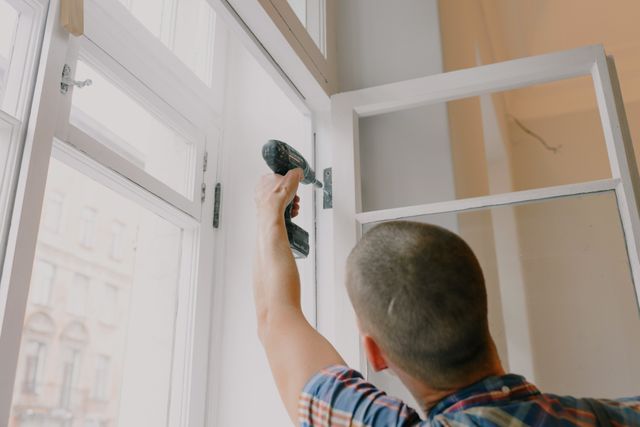
Virginia landlords are responsible for maintaining fit premises, including keeping plumbing, electrical, heating, and other essential systems in good working order and supplying reasonable amounts of hot water and heat in season.
When one of these systems fails suddenly and significantly, the issue may require immediate action.
Common Rental Property Emergencies
Burst or Actively Leaking Pipes
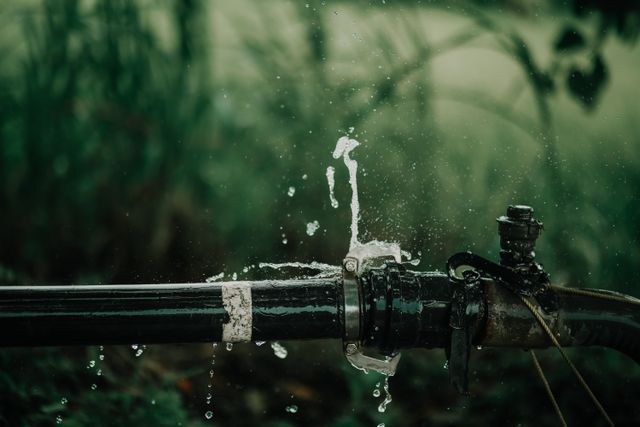
Active water intrusion can cause extensive damage in a short period.
If a pipe bursts or water is flooding a room, ask the tenant to shut off the water if they can safely locate the valve. Then contact your maintenance team or an emergency plumber immediately.
No Heat in Winter
A complete heating failure during cold weather can quickly become a habitability concern.
If the furnace stops working during winter, arrange for service as soon as possible rather than waiting several days for a routine appointment.
Gas Odors
A suspected gas leak should always be treated seriously.
Tenants should leave the property and contact the appropriate emergency service or gas utility. They should not attempt to locate or repair the leak themselves.
Electrical Hazards
Sparking outlets, exposed live wiring, or other immediate electrical hazards require urgent professional attention.
A light switch or outlet that simply stops functioning, however, may be handled as a routine maintenance request unless another safety concern is present.
Security Problems
A broken exterior lock or door that leaves the rental unsecured may require same-day attention.
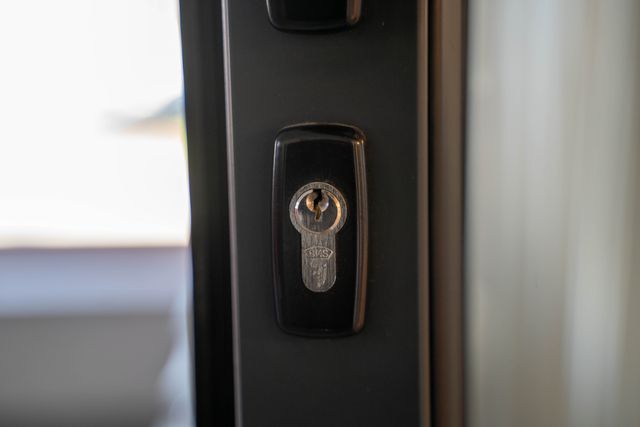
A tenant who cannot safely secure or access the property should have a clear emergency contact process.
Major Plumbing Failures
If the rental has only one toilet and it becomes unusable, or if the plumbing system stops functioning altogether, the issue may require immediate service.
A minor clog affecting one sink or one of several bathrooms generally does not rise to the same level.
Active Roof Leaks
Water entering the property during heavy rain can cause rapid damage and should be addressed quickly. The EPA recommends controlling moisture and drying wet materials within 24 to 48 hours to help prevent mold growth.
A small ceiling stain discovered after a storm may still require inspection, but it does not necessarily require a midnight service call.
What Usually Is Not an Emergency?
Many maintenance requests are important without requiring an after-hours response.
Common examples include:
Slow drains or minor clogs.
Cosmetic damage.
Loose cabinet doors or handles.
Minor faucet leaks.
Nonessential appliance failures.
Routine pest-control concerns.
Noise complaints.
Minor HVAC performance issues that do not create an immediate health or safety concern.
These problems should still be documented and scheduled promptly.
The goal is not to ignore non-emergency maintenance. It is to reserve emergency dispatches for situations where waiting could create significant risk or damage.
Set Clear Expectations With Tenants
Many unnecessary after-hours calls happen because tenants do not know what qualifies as an emergency.
Encouraging tenants to report repairs promptly can also help landlords address minor maintenance issues before they develop into more serious problems.
Provide written instructions explaining:
What types of problems require immediate contact.
Which number or system tenants should use.
How routine maintenance requests should be submitted.
What basic information or documentation to provide.
What troubleshooting steps are safe to attempt.

For example, tenants may be able to check the thermostat, reset a breaker when appropriate, or identify whether a water shut-off valve is accessible.
They should not attempt dangerous electrical, gas, or major plumbing repairs themselves.
Ask tenants to provide photos or videos when possible. Visual documentation can help you determine whether the situation requires immediate dispatch or can be scheduled for the following day.
Response Times and Emergency Costs
Emergency maintenance usually costs more than scheduled daytime work because plumbers, electricians, and technicians handling urgent HVAC issues may charge after-hours or emergency service rates. Following a regular HVAC maintenance checklist can help reduce the risk of unexpected system failures and costly emergency repairs.
True life-safety or property emergencies should be addressed immediately. Urgent issues may wait until the next business period, while routine maintenance can follow the normal work-order process.
An in-house maintenance team or established vendor network makes emergencies easier to manage. Self-managing owners should identify reliable plumbers, electricians, HVAC contractors, and other essential vendors before problems occur.
Who Pays for Emergency Repairs?
Landlords are generally responsible for systems that fail through normal use or wear. If a tenant causes damage through negligence or misuse, responsibility for the cost may differ.
For example, a pipe that fails because of age is different from damage caused by a tenant ignoring a known leak.
Your lease should clearly explain tenant responsibilities. Keep move-in records, photos, maintenance requests, repair invoices, and relevant communications to document what happened.
Build an Emergency Maintenance Plan
Emergency planning should happen before something breaks.
Know your emergency contacts and after-hours procedures. If you self-manage, keep contact information for local emergency vendors and utility numbers for gas, water, and electrical service.
Tenants should also receive written instructions explaining:
What counts as an emergency.
Who to contact.
What information to provide.
Which basic troubleshooting steps are appropriate.
When they should contact emergency services instead of the landlord.
The clearer the process, the easier it is to respond quickly without treating every maintenance request as a crisis.
Bottom Line
Emergency maintenance involves problems that create an immediate threat to health, safety, security, or property.
Burst pipes, gas odors, electrical hazards, serious heating failures, and major security problems may require immediate response. Minor clogs, cosmetic issues, and many appliance problems generally belong in the normal maintenance process.
Establish clear tenant expectations, maintain reliable vendor relationships, document every incident, and make sure everyone knows whom to contact when something goes wrong.
For rental owners in Charlottesville and Albemarle County, professional property management can also make emergency response more predictable.
KRS Charlottesville works with an in-house maintenance team and vetted vendors to help owners address both routine repairs and urgent property issues. Call 434-608-9180 or enter your address below for a free rental analysis and to learn more about professional maintenance management.
Frequently Asked Questions About Emergency Maintenance
Can a Tenant Repair an Emergency and Deduct the Cost From Rent?
Virginia law may provide tenants with remedies when a landlord fails to address qualifying habitability problems after receiving notice.
Because the requirements depend on the circumstances, landlords should respond promptly to serious maintenance issues and maintain records showing when the problem was reported, when the response began, and when repairs were completed.
What Does Habitability Mean for a Virginia Rental?
Habitability generally refers to maintaining a rental property in a safe and livable condition.
Important systems such as heat, hot water, plumbing, electrical service, and structural components should remain functional and free from serious hazards.
When one of these systems fails, the urgency depends on the severity of the problem and the risk created by delaying repairs.
Who Pays if the Tenant Caused the Damage?
The landlord may still need to arrange the immediate repair when a problem threatens the property or habitability.
If the tenant caused the damage through negligence or misuse, the landlord may have options for recovering qualifying costs afterward.
Detailed move-in records, photographs, repair invoices, and written communications can help document responsibility.
How Much Should I Budget for Emergency Maintenance?
Emergency repairs are unpredictable, so rental owners should maintain a reserve rather than assuming routine monthly maintenance will cover every situation.
The amount needed depends on the age, condition, and major systems in the property. Older plumbing, HVAC equipment, roofs, and appliances can increase the likelihood of unexpected repairs.
Having established vendors or professional maintenance support can also make emergency costs easier to anticipate.
What Should Tenants Do Before Calling After Hours?
Tenants should attempt only basic troubleshooting that can be completed safely.
They may check the thermostat, confirm whether a breaker has tripped, or shut off the water if they can easily locate the appropriate valve.
They should not attempt repairs involving gas, exposed electrical wiring, or major plumbing failures.
Ask tenants to document the problem with photos or video and clearly explain what is happening when they call. If there is an immediate safety concern, they should contact the appropriate emergency service rather than attempting to solve the problem themselves.
